Stamped Concrete Repair vs. Replacement for Commercial Properties
For commercial properties considering stamped concrete repair versus replacement, local service providers can assess damage and recommend cost-effective solutions to restore or improve your surfaces.
If you’re exploring options for maintaining or improving the concrete surfaces of a commercial property, understanding the differences between stamped concrete repair and replacement is an important step. Property owners in the area often face practical considerations such as cost, time, and the impact on daily operations when deciding how to address damaged or worn concrete. This page offers insights into these choices, helping you determine which approach might be more suitable for your specific needs. Local contractors experienced in stamped concrete repair can provide solutions that preserve the aesthetic appeal of your property while offering a cost-effective alternative to full replacement.
Deciding between repairing or replacing stamped concrete can influence the overall look, durability, and long-term maintenance of your commercial space. Many property owners find that repair options can restore the appearance and function of existing concrete without the disruption of tearing out and replacing entire sections. As you continue reading, you'll discover how local service providers can assist with stamped concrete repair, providing expert advice and quality work that aligns with your property's goals. Whether addressing cracks, fading, or surface damage, understanding these options can help you make informed decisions to keep your property looking professional and well-maintained.
- Commercial walkways - When cracks or surface damage appear, local contractors can assess whether repair or replacement is more practical for long-term durability.
- Parking lot surfaces - If staining or surface deterioration occurs, service providers can recommend stamped concrete repair to restore appearance without full replacement.
- Outdoor patios and plazas - For areas with minor surface issues, local pros can perform repairs that preserve the stamped design, avoiding unnecessary demolition.
- Loading docks and service areas - When concrete shows signs of wear, repair options may extend the lifespan of existing stamped surfaces, with contractors evaluating the best approach.
- Entryways and decorative surfaces - In cases of surface damage, local contractors can provide repairs that maintain aesthetic appeal while minimizing disruption to the property.
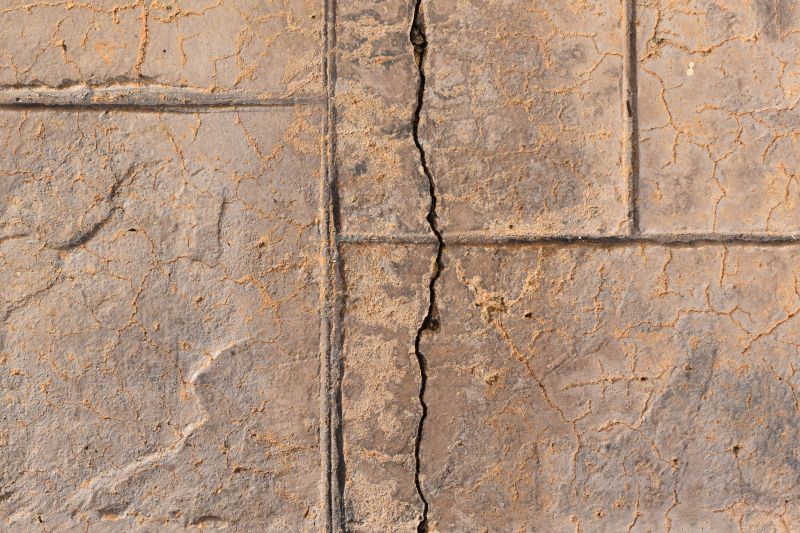
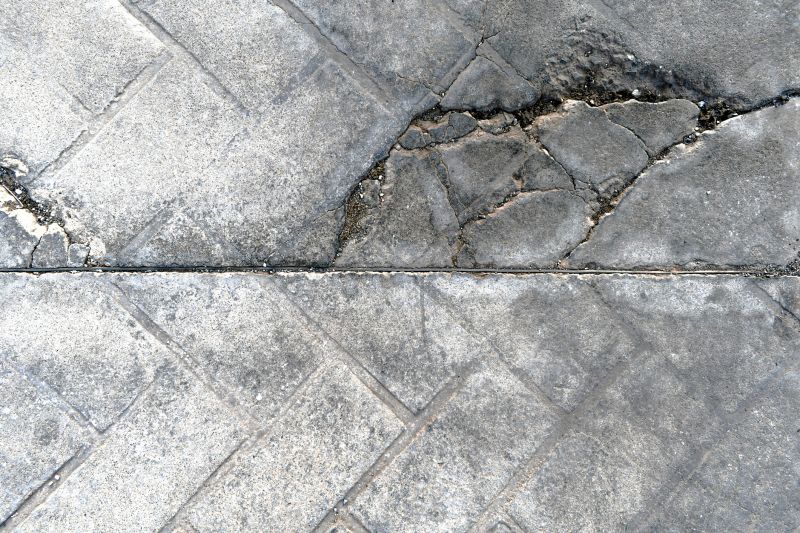
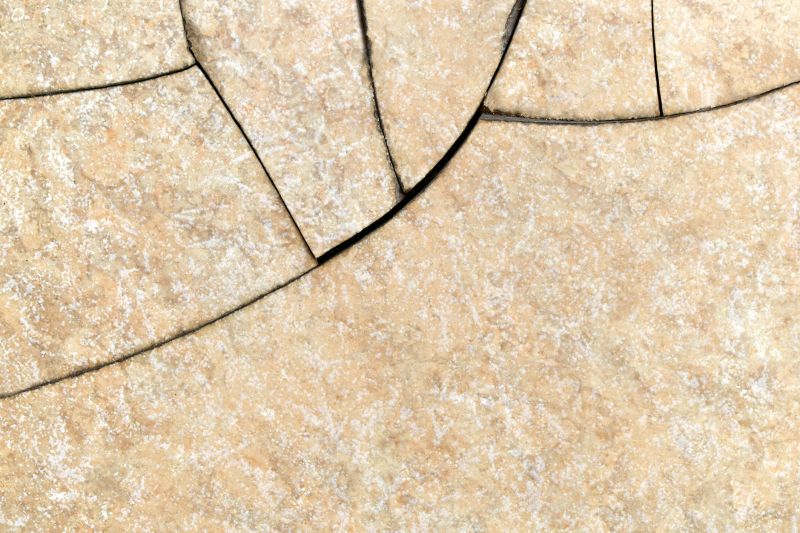
When searching for information on stamped concrete repair versus replacement for commercial properties, most people are looking to understand the best way to address existing decorative concrete surfaces that have sustained damage or show signs of aging. This topic often comes up when property owners or managers notice cracks, chips, or surface wear on their stamped concrete features, such as walkways, patios, or entryways. The goal is to determine whether a repair can restore the appearance and functionality of the surface or if a full replacement is necessary. Local service providers that specialize in stamped concrete repair can offer insights into the condition of the existing concrete and recommend the most practical solution based on the extent of damage and the property's overall condition.
This topic is closely related to various property plans, including maintenance, renovation, or upgrading of outdoor spaces. Commercial properties-such as office complexes, retail centers, or hospitality venues-often feature stamped concrete to enhance curb appeal and create inviting outdoor environments. When these surfaces develop cracks, spalling, or surface deterioration, property owners must decide whether repairs will suffice or if replacement is needed to meet aesthetic standards and safety requirements. Understanding the differences between repair and replacement helps property managers plan budgets and schedules effectively, ensuring that the outdoor areas remain attractive and functional for visitors and tenants alike.
The types of properties that typically come up in discussions about stamped concrete repair versus replacement include retail centers, office parks, apartment complexes, and hospitality establishments. These properties often rely on stamped concrete for their visual appeal and durability, making the decision to repair or replace a critical one. Damage to stamped concrete on commercial properties can be caused by heavy foot traffic, weather exposure, or improper installation, which may lead to issues like surface cracking or unevenness. Local contractors who specialize in stamped concrete repair are experienced in assessing these conditions and providing solutions that preserve the property's aesthetic and structural integrity, helping property owners avoid unnecessary expenses or disruptions.
Choosing between stamped concrete repair and replacement involves evaluating the severity of damage, the age of the surface, and the desired outcome for the property. Repairs typically involve patching cracks, resurfacing, or re-stamping to restore the original appearance without the need for complete removal. Replacement, on the other hand, may be necessary if the concrete is extensively damaged, has underlying structural issues, or no longer meets the property's visual standards. Local service providers can perform thorough assessments to determine the most effective approach, ensuring that commercial properties maintain their curb appeal and safety standards while optimizing long-term investment.
Concrete resurfacing services involve applying new overlays or coatings, which require similar surface preparation and planning as stamped concrete repair for commercial properties.
Pavement restoration projects focus on repairing and restoring concrete surfaces, utilizing skills and tools comparable to those used in stamped concrete repair and replacement decisions.
Commercial sidewalk and walkway repairs demand precise surface assessment and repair techniques, aligning with the expertise needed for stamped concrete repair versus replacement.
Decorative concrete installation involves surface finishing and patterning skills that are relevant when choosing between repairing or replacing stamped concrete surfaces.
Concrete crack and joint repair requires understanding of structural integrity and surface aesthetics, which are important considerations in stamped concrete repair discussions.
Industrial flooring restoration projects involve surface leveling and coating applications, sharing planning and skill sets with stamped concrete repair for commercial properties.
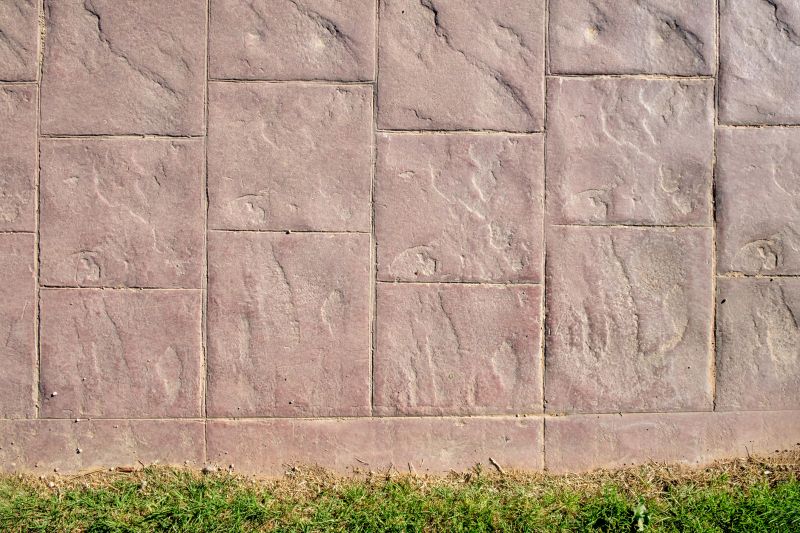
When evaluating service providers for stamped concrete repair versus replacement on commercial properties, it is essential to consider their experience with similar projects. Contractors who have handled repairs and replacements in commercial settings are more likely to understand the unique demands of high-traffic areas and the importance of durable, long-lasting results. Asking about their previous work with stamped concrete repair can provide insight into their familiarity with the specific techniques and materials needed to restore or enhance existing stamped concrete surfaces effectively.
Clear, written expectations are a vital part of choosing the right local contractors. A reputable service provider should be able to outline the scope of work, the methods they will use, and what the project will entail from start to finish. This transparency helps ensure that both parties are aligned on the process and outcomes, reducing the chances of misunderstandings or surprises down the line. When comparing options, it’s beneficial to seek out contractors who provide detailed proposals or estimates that clearly specify the work involved in either repairing or replacing stamped concrete.
Reputable references and strong communication are also key factors when selecting a service provider. Experienced local contractors should be able to provide references from previous commercial clients who can speak to their professionalism, quality of work, and ability to meet project requirements. Good communication throughout the project is equally important, as it ensures that expectations are managed, questions are addressed promptly, and any concerns are resolved efficiently. Prioritizing these qualities can help ensure a smooth process and a successful outcome for stamped concrete repair or replacement on commercial properties.
Property owners often search for stamped concrete repair vs. replacement for commercial properties when they are planning practical projects around their homes and businesses. Local pros provide Stamped Concrete Repair services for everyday jobs and straightforward project options.
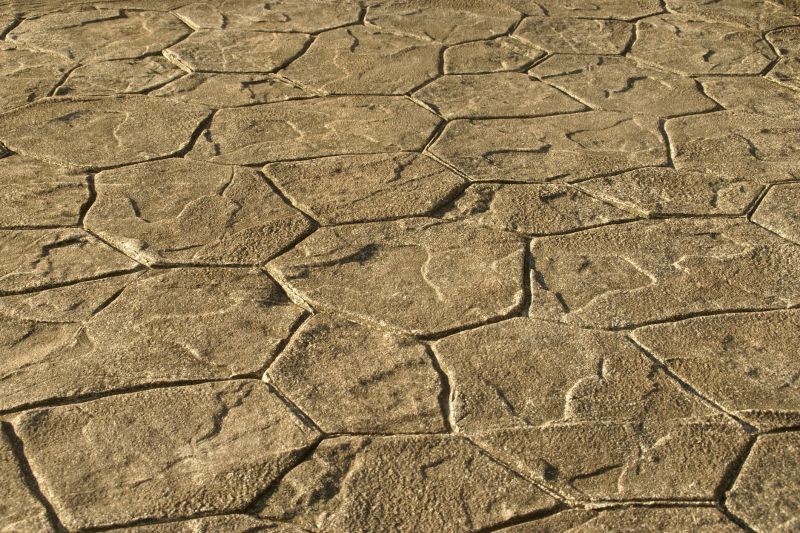
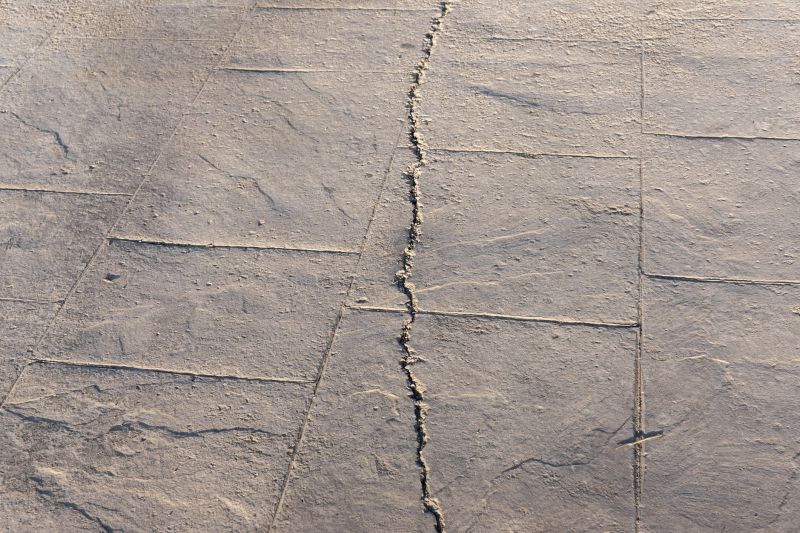
When commercial property owners notice cracks, surface wear, or uneven areas in their stamped concrete, they often consider whether repair or replacement is the best option. For many, stamped concrete repair services offered by local contractors provide a practical solution to restore the appearance and functionality of the surface without the need for a full replacement. These repair methods can address issues like surface chipping, fading, or minor cracks, helping property owners maintain a professional look while avoiding more extensive and costly projects.
In situations where the stamped concrete has suffered significant damage, extensive cracking, or widespread deterioration, replacement might seem necessary. However, local service providers also offer stamped concrete repair options that can effectively extend the life of existing surfaces, often at a lower cost and with less disruption than a full replacement. Property owners seeking to make informed decisions about their commercial surfaces can benefit from consulting with local contractors who can evaluate the condition of the concrete and recommend the most suitable approach based on the specific project needs.
What are the main differences between stamped concrete repair and replacement for commercial properties? Stamped concrete repair involves restoring or resurfacing existing stamped concrete, while replacement includes removing and installing new concrete. Local contractors can assess which option best suits the property's condition and aesthetic goals.
When should a commercial property consider repair instead of replacement for stamped concrete? Repair is suitable when cracks, surface wear, or minor damage are present, and the underlying structure remains sound. Local service providers can evaluate the extent of damage to recommend the most practical solution.
Are stamped concrete repairs durable enough for high-traffic commercial areas? Yes, when properly performed by experienced contractors, repairs can restore durability and appearance for high-traffic zones, often matching the longevity of replacement options.
Can stamped concrete repairs match the original design and color of the existing surface? In many cases, local pros can match textures, colors, and patterns during repairs to maintain a consistent look with the existing stamped concrete.
How do local contractors determine whether repair or replacement is better for stamped concrete in commercial settings? They assess factors such as the severity of damage, age of the concrete, and overall structural integrity to recommend the most effective and cost-efficient solution.
Assessing damage for repair or replacement - property owners can evaluate whether existing stamped concrete can be effectively repaired or if replacement is needed by consulting local contractors.
Choosing repair techniques for aesthetic preservation - selecting stamped concrete repair methods that match existing patterns and colors helps maintain visual consistency in commercial spaces.
Planning surface upgrades with repair options - property managers can incorporate stamped concrete repair services to enhance curb appeal without extensive demolition.
Deciding when replacement is necessary - understanding signs of severe damage or wear can guide property owners to seek replacement services from local contractors for long-term results.
If you are thinking about stamped concrete repair vs. replacement for commercial properties for a property, this guide is meant to help you understand this topic, the typical project types, and how different options might fit your plans.
When you are ready, you can use the quote form on this page to share a few details about your project. From there, local pros can review the basics and follow up with options that match what you have in mind.